
Understanding Burnout—and How to Begin Recovering Naturally
Feeling Burnt Out? You’re Not Alone—And You Don’t Have to Push Through Alone Either.
Burnout is more than just stress. It’s a state of emotional, physical, and mental exhaustion that builds over time—especially when life demands more of us than we’re able to give, day after day.
Often showing up in the context of work, caregiving, or chronic stress, burnout is marked by feelings of depletion, cynicism, and a reduced sense of accomplishment. It’s your body and mind’s way of saying: “I can’t keep going like this.”
The Three Stages of Burnout
Burnout doesn’t happen overnight—it builds in layers. Recognizing where you are in the process is the first step in changing direction.
Stage 1: Emotional Exhaustion
Everything feels heavy. Small tasks become overwhelming. You may feel like you’re constantly “on edge,” emotionally raw, or close to tears. This stage is particularly hard for women, who are often balancing multiple roles at work and at home with little time to recharge.
Stage 2: Cynicism and Detachment
Also known as depersonalization, this is a coping mechanism where you begin to emotionally withdraw—disconnecting from others, feeling numb or indifferent, and perhaps growing cynical about work or responsibilities. While it can feel like a relief in the moment, it doesn’t address the deeper issue: you’re exhausted.
Stage 3: Reduced Sense of Accomplishment
This is the point where your inner critic gets louder. You may feel like you’re not good enough, that your work doesn’t matter, or that you’re failing—even when you’re giving everything you’ve got. Motivation drops. Joy and satisfaction disappear.
Why Are Women More at Risk of Burnout?
Research shows that women are especially vulnerable to burnout—and it’s not just about workload. Systemic and societal pressures play a major role:
- Women are often under-recognized and under-promoted in workplaces
- Many women carry the lion’s share of emotional and domestic labor at home
- They’re more likely to juggle caregiving for children, partners, or aging parents
- Single mothers and solo parents face even more compounding stressors
All of this creates a perfect storm for burnout: high demand, low support, and limited time for recovery.
Self-Care Is More Than a Buzzword—It’s a Lifeline
True self-care isn’t about bubble baths or expensive treatments (although those can be nice, too). Real self-care is about consistent, intentional actions that support your well-being over the long term. It’s proactive, not reactive.
Here’s how self-care can help buffer against burnout:
🌿Stress Reduction
Mindfulness, breathwork, yoga nidra, or even a short walk outside can reduce the physiological effects of chronic stress. These are small practices that create space for your nervous system to breathe.
🍲 Physical Health
Nourishing food, movement, and sleep aren’t optional—they are foundational. Taking care of your physical body creates the resilience your emotional self needs.
💛 Emotional Regulation
Burnout makes everything feel more fragile. Self-compassion, setting boundaries, saying “no” when needed, and finding moments of joy are key to healing emotional depletion.
🕰️ Work-Life Boundaries
No one thrives when they’re always on. Creating clearer lines between work and rest, even in small ways, is a powerful act of self-preservation.
✍️ Self-Reflection & Growth
Journaling, therapy, or talking with a supportive practitioner can help you understand your needs, values, and stress triggers. This empowers you to make choices that align with your well-being.
You Don’t Have to Do This Alone
Burnout recovery isn’t about adding more to your to-do list—it’s about finding the right support, tools, and perspective so you can move forward in a sustainable way.
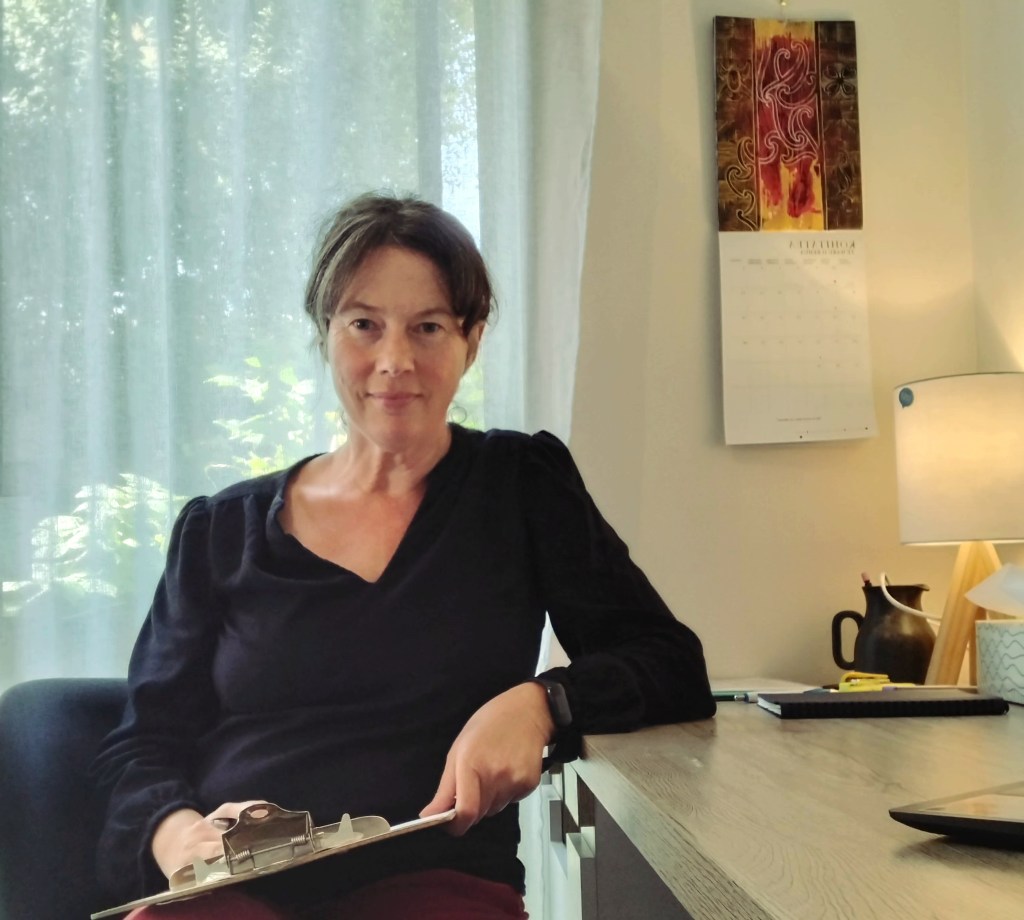
As a naturopath, I help women navigate burnout using a personalised, integrative approach. That means we’ll look at the full picture—your stress levels, hormones, sleep, nutrition, emotional load, and more—to create a plan that supports your healing, not just your productivity.
Let’s Work Together
If you’re feeling stuck, depleted, or unsure of where to start, a 1:1 consultation is a powerful first step.
🧭 In our first session, we’ll:
✔ Explore your unique health story
✔ Identify the drivers of your burnout
✔ Create a tailored plan that fits your life
✔ Use natural tools and evidence-informed strategies to support your recovery
📍 Appointments are available in-person (Christchurch) or online across NZ.
👉 Book your First Visit through Calendly Here
Let’s create a healthier, more supported version of life.
Leave a Reply